
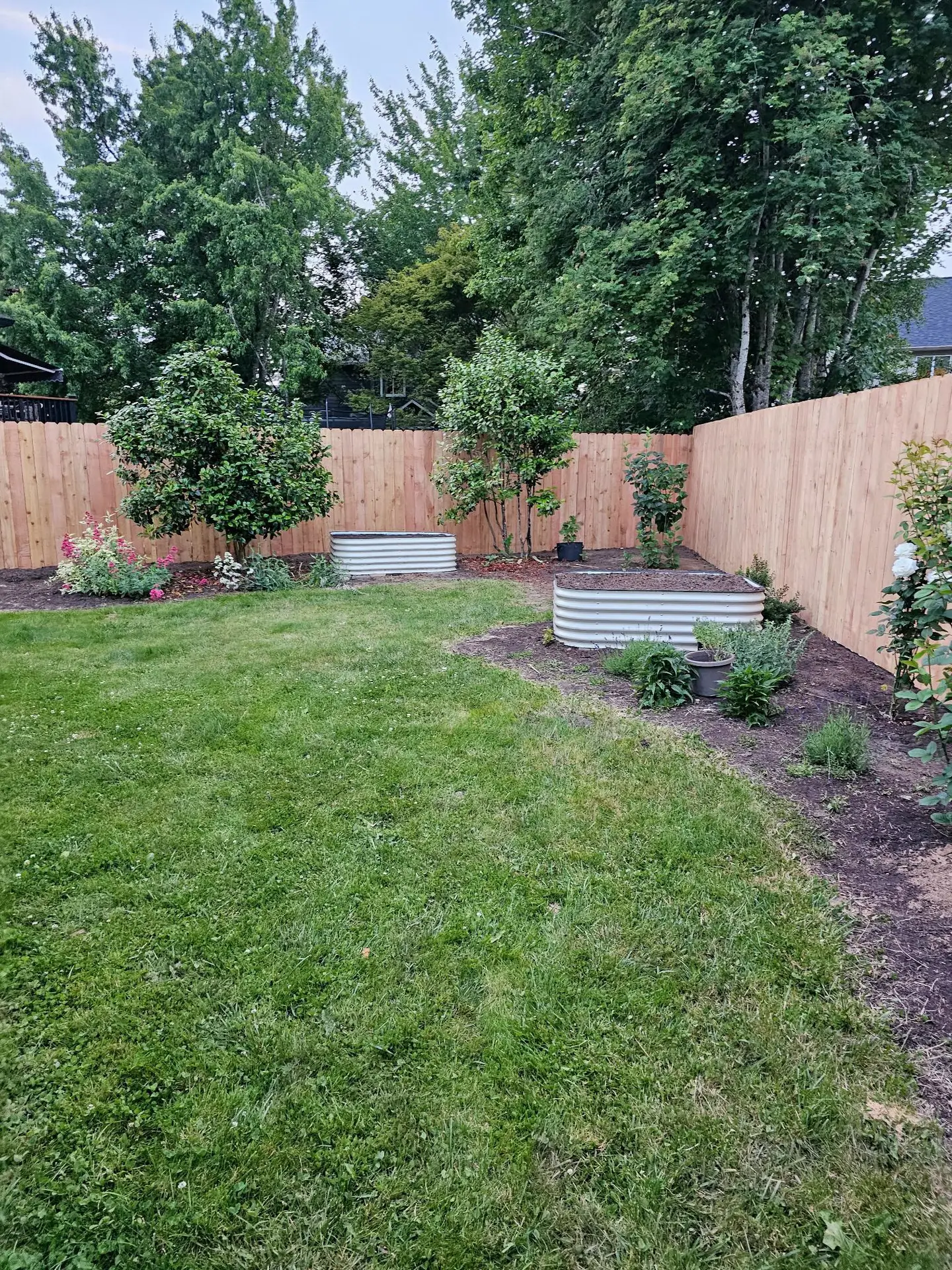


Fence Replacement in Hillsboro, Oregon: What Homeowners Should Know
If your fence is leaning, rotting, damaged, or simply showing its age, it may be time to consider a fence replacement. For homeowners in Hillsboro, Oregon, replacing an old fence is more than simply removing the existing boards and installing new ones. Property lines, permits, material selection, gates, installation timelines, and cleanup can all affect the project.
At Guardian Home Fencing, we help Hillsboro homeowners understand the fence replacement process from start to finish. Whether you are replacing an aging cedar fence, upgrading to a privacy fence, repairing a failing gate, or completely rebuilding your backyard fence, understanding what to expect can help you make better decisions and avoid surprises.
When Should You Replace Your Fence?
Minor damage may be repairable, but there are situations where replacement is usually the better long-term investment.
Common signs that your fence may need replacement include:
- Multiple rotting or deteriorating posts
- Sections that are leaning or falling over
- Extensive wood rot
- Broken or missing fence boards
- Posts that are loose in the ground
- Sagging or damaged gates
- Severe weather damage
- Rusting or damaged metal components
- Repeated repairs that are becoming expensive
- An outdated fence that no longer provides the privacy or security you need
One damaged board is usually not a reason to replace an entire fence. However, when the underlying posts, rails, and structural components are deteriorating, continuing to repair individual sections can become more expensive than installing a new fence.
A professional fence contractor can evaluate the existing fence and help determine whether repair or replacement makes the most sense.
Fence Removal in Hillsboro, Oregon
The first step in most fence replacement projects is removing the existing fence.
Fence removal can look simple, but old fences can present several challenges. Posts may be set in concrete, buried deep in the ground, or damaged and difficult to remove. Older fences may also have nails, screws, brackets, wire, or other materials that need to be safely removed.
The removal process generally involves:
- Taking down existing fence panels or boards
- Removing rails and hardware
- Removing old posts when possible
- Breaking out or excavating old concrete footings when necessary
- Loading and hauling away debris
- Preparing the fence line for the new installation
One important question homeowners should ask before hiring a contractor is whether old fence removal and disposal are included in the estimate.
Some contractors may provide installation pricing separately from demolition and disposal. Having everything clearly listed in your estimate helps prevent unexpected charges later.
What Happens to the Old Fence?
Depending on its condition, old fencing may be disposed of, recycled, or hauled away. Wood that has been painted, stained, treated, or contaminated may have specific disposal requirements.
A professional contractor should leave your property free of unnecessary construction debris when the project is completed.
Property Lines and Fence Replacement
One of the most important issues to address before replacing a fence is the property line.
A fence that has existed for decades does not necessarily mean that the fence is located exactly on the current property boundary.
Before construction begins, homeowners should understand where their property ends and their neighbor’s property begins.
If there is uncertainty about the property line, you may need to review your property records or have a professional survey completed.
This is especially important when replacing an old fence because moving the new fence even a small distance can affect property ownership, landscaping, driveways, structures, and future maintenance.
What About a Shared Fence?
In many neighborhoods, a fence sits along or near the boundary between two properties. Communication with your neighbor before replacement can prevent disagreements later.
It can be helpful to discuss:
- Fence location
- Fence height
- Fence style
- Material
- Gates
- Access to each property
- Removal of the existing fence
- Cost-sharing arrangements
Even when you believe the existing fence is correctly located, it is wise to resolve property-line questions before materials are purchased.
Do You Need a Fence Permit in Hillsboro?
Fence regulations can depend on the location, height, placement, zoning, and other characteristics of the proposed fence.
Homeowners should not automatically assume that every fence replacement has the same requirements.
Before replacing your fence, check the applicable City of Hillsboro requirements and determine whether your project requires a permit or has specific height or location restrictions.
Other considerations can include corner lots, visibility areas, easements, and fences located near streets or intersections.
A reputable fence contractor should be able to help you identify questions that need to be addressed before construction begins, but homeowners should verify current requirements with the appropriate local authority.
This is particularly important if you are changing the height, location, or configuration of an existing fence.
Choosing the Right Fence Material
One of the biggest decisions during a fence replacement is choosing the right material.
Different fencing materials provide different combinations of privacy, appearance, durability, maintenance, and cost.
Cedar Fencing
Cedar is one of the most popular choices for homeowners in Oregon.
It provides a natural appearance that works well with many Hillsboro homes and landscapes. It can also be stained in different colors to complement your home’s exterior.
With proper installation and maintenance, a quality cedar fence can provide many years of service.
Vinyl Fencing
It fencing is another popular option for homeowners who want a clean appearance with relatively low maintenance.
Vinyl does not require the same staining and painting routine associated with many wood fences. It is particularly popular for homeowners looking for privacy fencing with a consistent appearance.
Chain Link Fencing
Chain link fencing can be an economical choice for homeowners who need a functional boundary, pet enclosure, or security fence.
Privacy slats can also be added to some chain link systems when additional privacy is desired.
Metal and Decorative Fencing
Metal fencing can provide a modern appearance and additional durability. Depending on the application, metal can be used for gates, decorative fencing, security applications, and custom projects.
The best material depends on your property, budget, desired appearance, maintenance preferences, and the purpose of the fence.
Don’t Forget the Gates
A fence replacement is also an opportunity to upgrade your gates.
A poorly designed or worn-out gate can make an otherwise beautiful new fence frustrating to use.
When planning a new gate, consider:
- Gate width
- Gate height
- Hardware
- Latches
- Hinges
- Gate weight
- Ground clearance
- Swing direction
- Driveway access
- Walk-through access
- Privacy requirements
For larger gates, proper framing and hardware are especially important.
A gate that is too heavy for its hardware can sag over time. Properly designed gate frames, hinges, latches, and support posts can help provide smoother operation and longer service life.
If your existing fence has a gate that constantly drags, sags, or refuses to close properly, replacement is a good opportunity to correct those problems.
How Long Does Fence Replacement Take?
The timeline for a fence replacement depends on the size and complexity of the project.
A smaller residential fence may be completed relatively quickly, while larger properties or complicated installations can take longer.
Factors that can affect the timeline include:
- Total linear footage
- Number of gates
- Fence material
- Existing fence removal
- Concrete removal
- Difficult access
- Landscaping
- Sloped terrain
- Weather
- Material availability
- Property-line questions
- Permit requirements
Oregon weather can also affect outdoor construction schedules. Rain, saturated soil, and other conditions may require adjustments to the installation schedule.
A professional contractor should provide you with a reasonable expected timeline while allowing some flexibility for unexpected site conditions.
What Happens During Installation?
Once the old fence has been removed and the fence line is prepared, installation can begin.
For a typical wood fence, the process may include:
- Marking the fence layout
- Locating posts and gates
- Digging post holes
- Installing structural posts
- Setting posts securely
- Installing rails
- Attaching fence boards
- Installing gates and hardware
- Checking alignment and height
- Completing final adjustments
Proper post installation is one of the most important parts of a long-lasting fence.
A beautiful fence can still fail prematurely if the structural components are poorly installed.
This is why homeowners should look beyond the appearance of the finished fence and ask contractors about the construction methods and materials being used underneath the surface.
What Should You Expect During Cleanup?
A professional fence replacement should include more than installing the new fence.
After construction, the work area should be cleaned and unnecessary debris removed.
Cleanup may include:
- Removing old fence materials
- Hauling away construction debris
- Picking up excess materials
- Removing loose nails and hardware
- Cleaning the immediate work area
- Making reasonable efforts to protect surrounding landscaping
Before hiring a contractor, ask whether cleanup and disposal are included in your estimate.
A clear scope of work helps ensure that both you and your contractor have the same expectations.
Why Replace Your Fence Now?
Replacing an aging fence can improve more than the appearance of your property.
A new fence can provide:
Improved curb appeal: A new fence can dramatically improve the appearance of your home’s exterior.
Better privacy: A properly designed privacy fence can create a more comfortable backyard environment.
Improved security: A structurally sound fence can help define and secure your property.
Better functionality: New gates and hardware can make everyday access easier.
Reduced maintenance: Modern materials and proper installation can reduce the amount of ongoing maintenance required.
Increased enjoyment: A secure, attractive backyard can make outdoor spaces more enjoyable for your family and pets.
Ready to Replace Your Fence in Hillsboro, Oregon?
If your existing fence is leaning, rotting, damaged, or simply past its useful life, a complete fence replacement may be the right solution.
Guardian Home Fencing provides residential fence replacement, installation, repair, gates, and related fencing services for homeowners in Hillsboro and surrounding Washington County communities.
Whether you’re looking for a cedar privacy fence, vinyl fencing, chain link fencing, a new gate, or another residential fencing solution, we can help you evaluate your options and develop a plan for your property.
Don’t wait until a failing fence becomes an emergency.
Contact Guardian Home Fencing today to schedule your free fence estimate in Hillsboro, Oregon and find out what it will take to replace your existing fence with a new, attractive, and dependable fence built for your property.
Serving Hillsboro and surrounding Portland Metro communities.


Leave a Reply